
I’ll never forget my first year of teaching when I was determined to tackle everything at once—behaviour management, curriculum planning, and making sure my students were on track. But one lesson stands out. I was teaching fractions, and no matter how many times I explained it, I saw blank stares and frustrated faces. It hit me: I was assuming my students knew more than they did. That’s when I leaned into explicit teaching. By breaking the skill down into bite-sized steps and walking them through each part, something clicked—not just for them, but for me. This approach didn’t just save time, it built a foundation they could rely on. Explicit teaching is truly the key when it comes to mastering those essential skills.
Teaching base skills is crucial for laying the groundwork for students’ academic success. Whether it’s foundational math operations, reading comprehension, or essential writing techniques, these base skills are the building blocks upon which all further learning is built. Explicit teaching is an incredibly effective method for imparting these skills efficiently. Let’s explore how this approach can streamline your instruction and support your students’ growth.
What Are Base Skills?
Base skills are fundamental abilities that students need to master before moving on to more complex concepts. In math, base skills might include basic addition, subtraction, multiplication, and division. In literacy, they could encompass phonics, basic reading fluency, and sentence structure. Mastery of these skills is essential for students to progress successfully in their education.
Efficiency Through Explicit Teaching
Explicit teaching is highly efficient for teaching base skills due to its structured and clear approach. Here’s how:
- Clear Instruction: Explicit teaching involves presenting information in a straightforward and unambiguous manner. By clearly defining each base skill and demonstrating how to use it, you help students understand exactly what they need to learn.
- Step-by-Step Guidance: This method breaks down complex tasks into manageable steps, which is particularly useful when teaching base skills. For example, when teaching multiplication, you start with basic concepts like repeated addition before moving on to more advanced strategies.
- Immediate Feedback: Explicit teaching often includes opportunities for guided practice and immediate feedback. This allows students to correct mistakes and solidify their understanding of base skills in real-time, leading to more effective learning.
- Consistency and Repetition: By consistently using explicit teaching methods, students receive repeated exposure to essential base skills. This repetition reinforces learning and helps students commit these skills to long-term memory.
Case Studies
Let’s look at a couple of examples to see explicit teaching in action:
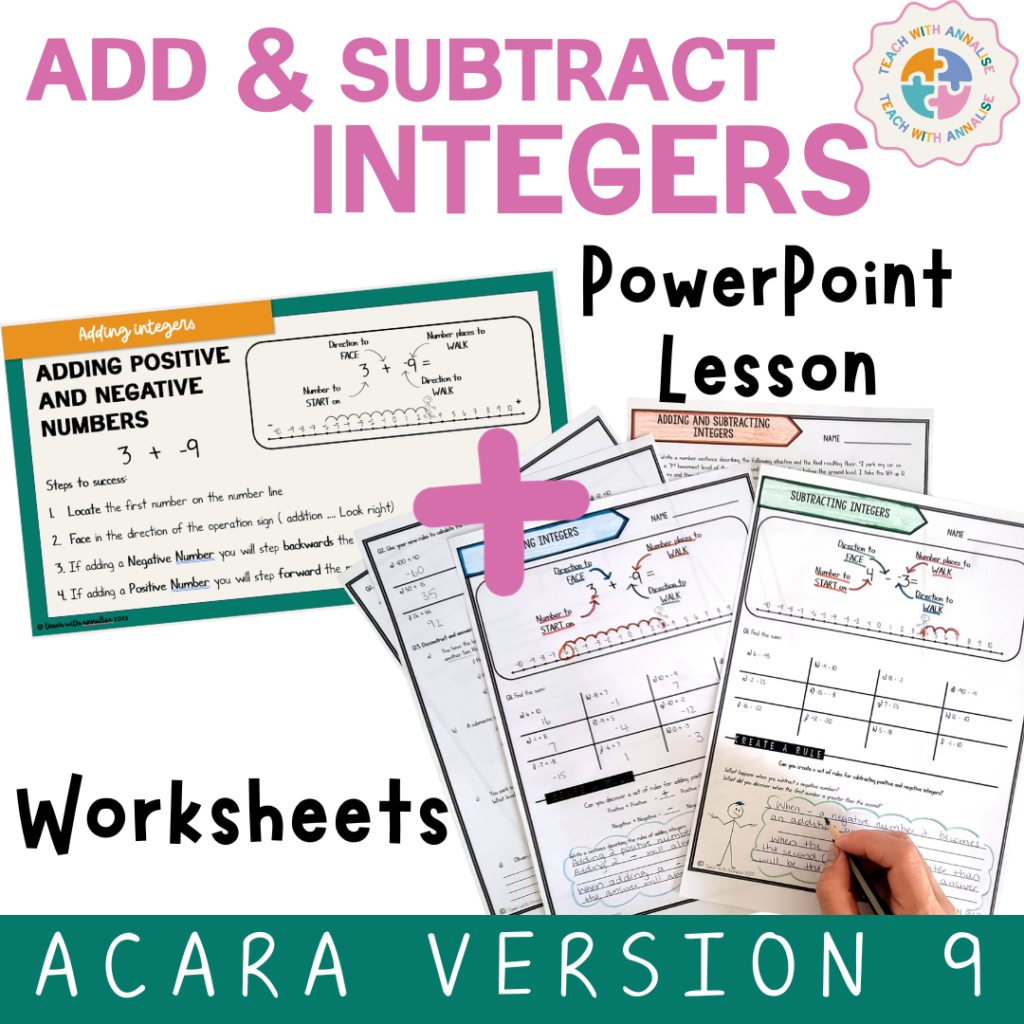
- Math Addition and Subtraction: When teaching basic addition and subtraction, you might start by modelling simple problems on the board, then guide students through practice problems, and finally have them complete similar problems independently. This structured approach ensures that students understand the process thoroughly.
- Reading Fluency: For reading fluency, explicit teaching might involve modelling how to decode words, then guiding students through practice with various texts, and providing immediate feedback on their pronunciation and comprehension. This method helps students build confidence and proficiency in reading.
Tips for Implementation
Here are some practical tips for using explicit teaching to teach base skills:
- Set Clear Objectives: Define what base skills you want students to learn and how you will assess their understanding.
- Model and Demonstrate: Show students exactly how to perform each skill, using clear examples and visual aids as needed.
- Provide Guided Practice: Offer opportunities for students to practice the skill with your support before moving on to independent work.
- Use Formative Assessment: Regularly assess students’ understanding to identify areas where they may need additional support.
Conclusion
Explicit teaching is a powerful and efficient approach for teaching base skills. By providing clear instructions, step-by-step guidance, and consistent practice, you help students build a strong foundation for future learning. As you plan your lessons, consider incorporating explicit teaching strategies to enhance your instruction and support your students’ success.
To see explicit teaching in action, download my free resource: an explicit lesson on simplifying fractions. It’s designed to give you a practical example of how to apply these strategies in your math lessons and beyond. Empower your students with the base skills they need to thrive!